You know what every character in your novel is thinking. You invented them, after all. You know what they’re afraid of, what they’re hiding, and probably which childhood humiliation explains why one of them is being such an asshole at dinner.
It’s tempting to share all that hard-earned knowledge. When somebody says something cruel, you explain what they really meant. When somebody falls silent, you explain what they’re feeling. By the time the argument ends, readers have been given a guided tour of everyone’s emotional baggage, complete with labels.
The problem isn’t that you’ve broken some sacred rule of fiction. It’s that you’ve answered questions your reader might have enjoyed working out. Sometimes the most interesting thing about a character is what another character doesn’t know about them.
Let’s see what happens in The Good Son, a fictional short story about two brothers, their father, and the family business that’s become a monument to everything they disagree about.
The scene that knows everything
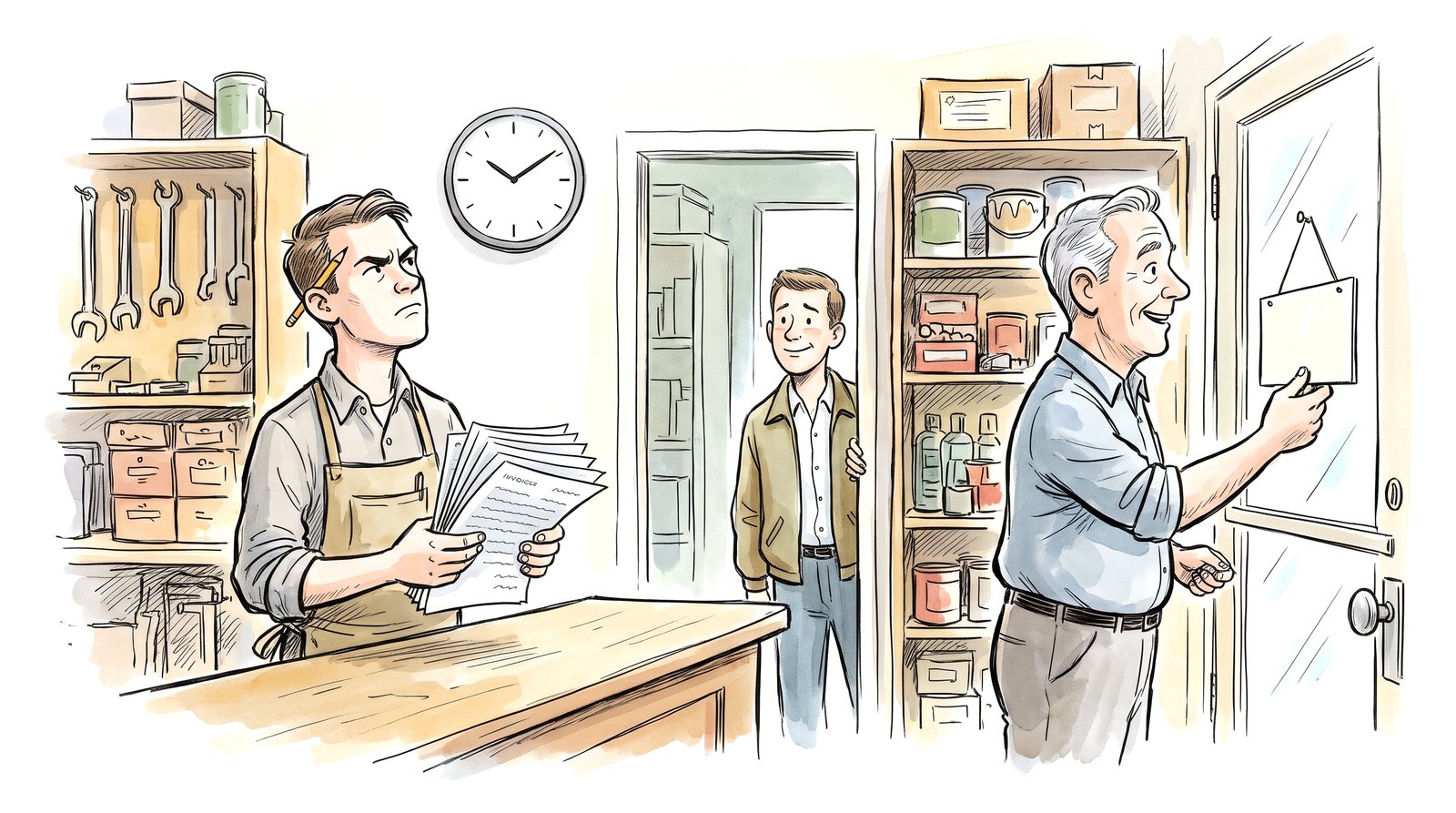
The younger brother left the business years ago, taking his share and making a life elsewhere. The older brother stayed and worked alongside their father. Now the younger brother has come home, and their dad has decided to close early to celebrate. It’s a small gesture, except that the older brother remembers being refused the same favor for his daughter’s birthday.
There ought to be enough resentment in that room to keep a scene going. Let’s see how quickly we can explain it away.
Version one: Everybody gets a thought
Their father flipped the sign on the front door from OPEN to CLOSED.
“That’s it for today,” he said. “We’re getting out of here early.”
The older brother stared at him. When he’d asked to close early for his daughter’s birthday, his father had told him the business came first. Apparently that rule didn’t apply to his younger brother.
Their father noticed the look but ignored it. He’d spent years wishing his sons could get along, and he wasn’t about to let resentment ruin the afternoon.
“Come on,” the younger brother said. “It’s not every day I’m home.”
He hoped his brother wouldn’t make a scene.
“Sure,” the older brother said. “Why not?”
Their father smiled, relieved that everyone seemed willing to cooperate.
What’s wrong with this?
We move from the older brother’s resentment to the father’s intentions, then to the younger brother’s anxiety and back to Dad. That’s three jumps between minds in a handful of lines. The narration has told us what each person means before their behavior has had much chance to mean anything to us.
You could write a novel that knows what all three characters think. Plenty of great novelists have. But this scene doesn’t sound as though a confident narrator is choosing what to reveal. It sounds as though the writer can’t resist explaining each reaction as it happens.
Head hopping isn’t the same as omniscience
Third-person limited narration gives us sustained access to one character’s thoughts, memories, and perceptions at a time. Other people have to be understood through what that character can observe, remember, or reasonably infer.
Third-person omniscient narration works differently. Its narrator can know more than any character, including what several people are thinking. That freedom can be wonderful in the right hands. An omniscient narrator might show us that the father believes he’s making a loving gesture while both sons read it as an insult. Or it might tell us something neither brother knows, letting us watch them stumble toward an argument the reader can already see coming.
An omniscient narrator has an established voice and decides when to move closer or pull away. Accidental head hopping happens when the writer worries a character won’t be understood.
Sometimes knowing more than a character creates tension. The question is what readers should know now.
Put the reader in the older brother’s head
Let’s keep the early closing and the argument exactly where they are, but stay with the older brother. He can remember his daughter’s birthday. He can’t read his father’s mind or his brother’s.
Version two: One brother, one perspective
Their father flipped the sign on the front door from OPEN to CLOSED.
“That’s it for today,” he said. “We’re getting out of here early.”
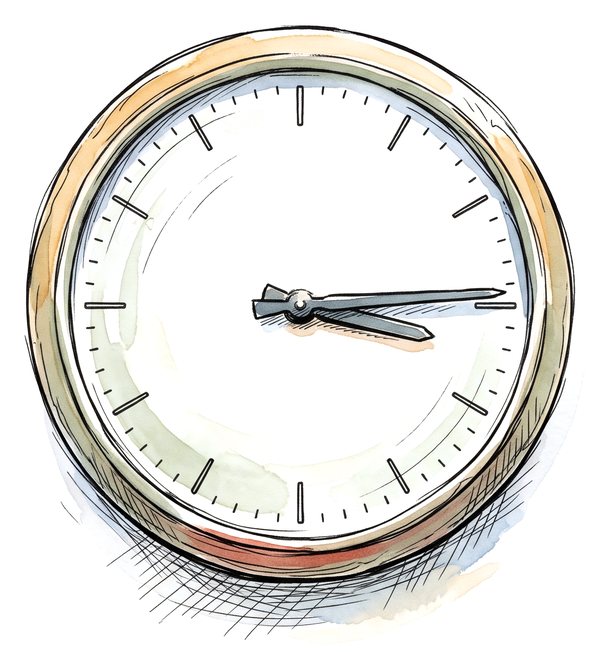
The older brother stood behind the counter with a stack of invoices. He looked at the clock.
Three fifteen.
His daughter’s birthday had been on a Tuesday. He’d asked his father if they could close at four instead of five. Just that once.
People still need us at four, his father had said.
Apparently people didn’t need them at three fifteen.
“Come on,” his younger brother said. “It’s not every day I’m home.”
He stood beside their father, smiling like he’d just won something.
The older brother straightened the invoices against the counter.
“We’ve still got tomorrow’s orders.”
“They’ll be there tomorrow,” his father said.
Funny. That hadn’t been the answer in April.
His younger brother’s smile faded.
“Look, if it’s a problem…”
“It’s not a problem.”
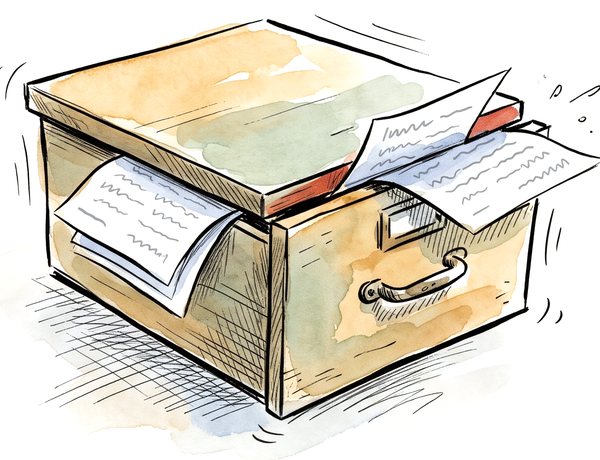
He shoved the invoices into the drawer and closed it harder than he intended.
His father reached for his coat.
“Good,” he said. “Let’s go.”
The older brother followed them out, wondering how long before somebody asked him to come back and lock up.
What’s different?
We haven’t changed the father’s decision or the brothers’ exchange. We’ve changed what the reader brings to it. Three fifteen is irritating because the older brother remembers being told that four o’clock was impossible. His younger brother’s smile looks smug because he’s already inclined to see it that way.
Dad might be oblivious or perfectly aware of the double standard. The younger brother might be smug or trying to keep the peace. The older brother’s judgment isn’t necessarily reliable.
That gap gives the reader room to participate. We can sympathize with the older brother and still wonder whether he’s being fair. His frustration comes through in the drawer slam without the narration stopping to announce that he’s frustrated.
What the reader doesn’t know matters
When someone goes quiet, readers can interpret the silence. Tell them immediately that it means guilt, and you’ve taken that pleasure away.
Of course, withholding information can become its own irritating trick. If the reader can’t understand what the characters are arguing about, you’ve created confusion, not suspense. The point is to give readers enough to follow the conflict while allowing them to draw conclusions that might later change.
Our older brother’s memory supplies the stakes. What it doesn’t supply is a reliable account of everybody else’s motives. That’s a useful distinction, especially in a novel about family, where people have been misreading each other for decades.
Now give the scene to the younger brother
What if the novel is really about the brother who left? He walks back into the business expecting a reunion and discovers that everyone else has been keeping score. Let’s tell the same scene from his side of the counter.
Version three: The homecoming
Their father flipped the sign on the front door from OPEN to CLOSED.
“That’s it for today,” he said. “We’re getting out of here early.”
His younger son hadn’t expected that.
His brother stood behind the counter with a stack of invoices. He looked at the clock.
“Come on,” the younger brother said. “It’s not every day I’m home.”
He tried a smile. His brother straightened the invoices against the counter.
“We’ve still got tomorrow’s orders.”
“They’ll be there tomorrow,” their father said.
His brother stared at the invoices. The younger brother felt his smile slipping. He’d been home less than an hour, and already something had gone wrong.
“Look, if it’s a problem…”
“It’s not a problem,” his brother said.
He shoved the invoices into the drawer. It slammed shut.
Their father reached for his coat.
“Good,” he said. “Let’s go.”
The younger brother followed him toward the door, wishing he knew what he’d walked into.
A different story emerges
The older brother’s version invites us to resent the father’s double standard. Here, we don’t know there was a birthday request at all. We see a man who has come home, said something harmless, and somehow made his brother furious. That drawer slam sounds different when you don’t know what caused it.
If the novel concerns the sacrifices of staying, the older brother’s memory gives the scene force. If it follows the younger brother’s return, his confusion may matter more. An omniscient narrator could explore all three misunderstandings.
That’s why choosing a viewpoint is more than deciding whose thoughts you’re allowed to report. You’re deciding which experience will give an event its meaning.
How to catch yourself head hopping
If a passage feels flat, or your critique partner keeps asking whose perspective we’re in, try a focused pass.
1. Identify whose scene it is
Before changing anything, ask whose perceptions and memories guide the scene. If you can’t answer, you may have found the problem. If you’re using omniscience, identify what establishes the narrator’s broader authority rather than assuming that access to several minds is enough.
2. Find the private information
Highlight sentences that tell us what somebody hopes, remembers, fears, knows, or secretly intends. Words such as knew, realized, and wondered can help you spot a shift, although they aren’t offenses by themselves. Ask whether the current viewpoint character could actually know what the sentence claims.
3. Check the difference between observation and interpretation
Consider: Their father smiled, relieved that his sons weren’t going to argue. In the older brother’s viewpoint, the smile is visible; the relief isn’t. You might write, Their father smiled, apparently satisfied that the argument was over. Or you might trust the action: Their father smiled and reached for his coat.
Don’t overcorrect by adding he saw, she noticed, or he heard to every sentence. If we’re already following the older brother, His father reached for his coat is perfectly clear. Those filter words earn their place when the act of noticing matters.
4. Let behavior carry some of the meaning
A nervous person may avoid eye contact, but so might someone who’s bored, angry, or trying to remember where they parked. Don’t replace one set of emotional labels with a universal code of gestures. Let the viewpoint character draw conclusions from what they see, and leave open the possibility that those conclusions are wrong.
5. Move information rather than automatically deleting it
If another character’s private thoughts matter, you can give that character a later scene, make a deliberate viewpoint switch, or reconsider the narrator you’ve chosen. You may need the information. You probably don’t need all of it in the middle of the same exchange.
Try it: take away the mind reading
Look through something you’ve written for a scene involving two or more characters. Ideally, find one where you’ve revealed what more than one character is thinking or feeling. Choose one character to follow. Rewrite the scene from that character’s perspective, keeping the dialogue and observable action intact. Everyone else’s thoughts should remain private. Your viewpoint character can interpret their behavior, suspect their motives, or get them completely wrong.
Compare the two versions. Does withholding information make another character more interesting? Does the scene gain tension? Or have you removed something the reader genuinely needs?
If the rewrite is worse, you’ve learned something. This isn’t a test of obedience.
You don’t have to tell us everything
Know your characters’ histories, contradictions, and excuses. You don’t have to share all of them.
Sometimes readers need to know exactly what someone is thinking. Sometimes the pleasure comes from watching another character get that person completely wrong. Both effects depend on the writer making a choice instead of reaching for the nearest available explanation.
Let somebody say something awkward. Let the other person react. Give us enough to understand why the moment matters, and then allow us to wonder what the hell they meant.