Two characters are having an argument. One crosses his arms. The other looks away. Someone sighs. Someone else stares out a window, which is apparently the only architectural feature worth mentioning. The conversation gets heated. Accusations fly. A secret comes out. One character storms off.
Where are they? Good question. Maybe they’re in a kitchen. Maybe they’re in a restaurant. Maybe they’re standing in the parking lot of a funeral home. It doesn’t particularly matter because nothing about the scene would change if you moved them somewhere else.
Welcome to the empty-room problem. You’ve probably written a scene like this. Most writers have. You know what your characters want, you’ve figured out what they’re arguing about, and you’re concentrating on making the dialogue sound like something actual human beings might say. The setting becomes an afterthought.
You establish the location in the first paragraph, sprinkle in a few physical details, and get back to the conversation. Maybe somebody takes a sip of coffee when you need to break up the dialogue. Or looks at the floor. Or does something with their hands, because apparently people can’t have difficult conversations without developing a sudden interest in their fingers.
Technically, the scene has a setting. It just doesn’t have much of a reason to be there. And that’s a missed opportunity, because setting can do something much more interesting than tell readers where the furniture is.
It can make your characters’ problems worse.
A place where the rules suddenly change
Consider The Good Son, a fictional story about two brothers and their father’s family business. The younger brother left town years ago, taking his share of the money with him. The older brother stayed. He worked weekends, helped their father as he got older, and gradually took on more responsibility for keeping the business running. The older brother has done what he believes a good son is supposed to do. And he’s got plenty of resentment to show for it.
Now the younger brother is coming home. Their father is thrilled. So thrilled, in fact, that he decides to close the business early to celebrate.
There’s just one problem. A while back, the older brother asked his father to close early so he could attend his daughter’s birthday. His father refused. They had a business to run. Apparently, that rule has changed.
We could communicate the older brother’s resentment through dialogue alone. Consider a hypothetical exchange:
“He’s coming home tomorrow,” their father said.
“I heard.”
“You could sound a little happier about it.”
“I’m happy.”
“Doesn’t sound like it.”
“What do you want me to say?”
The disagreement is there. We understand that the older brother isn’t particularly excited about the reunion, and we can probably guess there’s some history behind it. But the scene isn’t doing much beyond establishing their attitudes.
Now let’s make the family business part of the conversation.
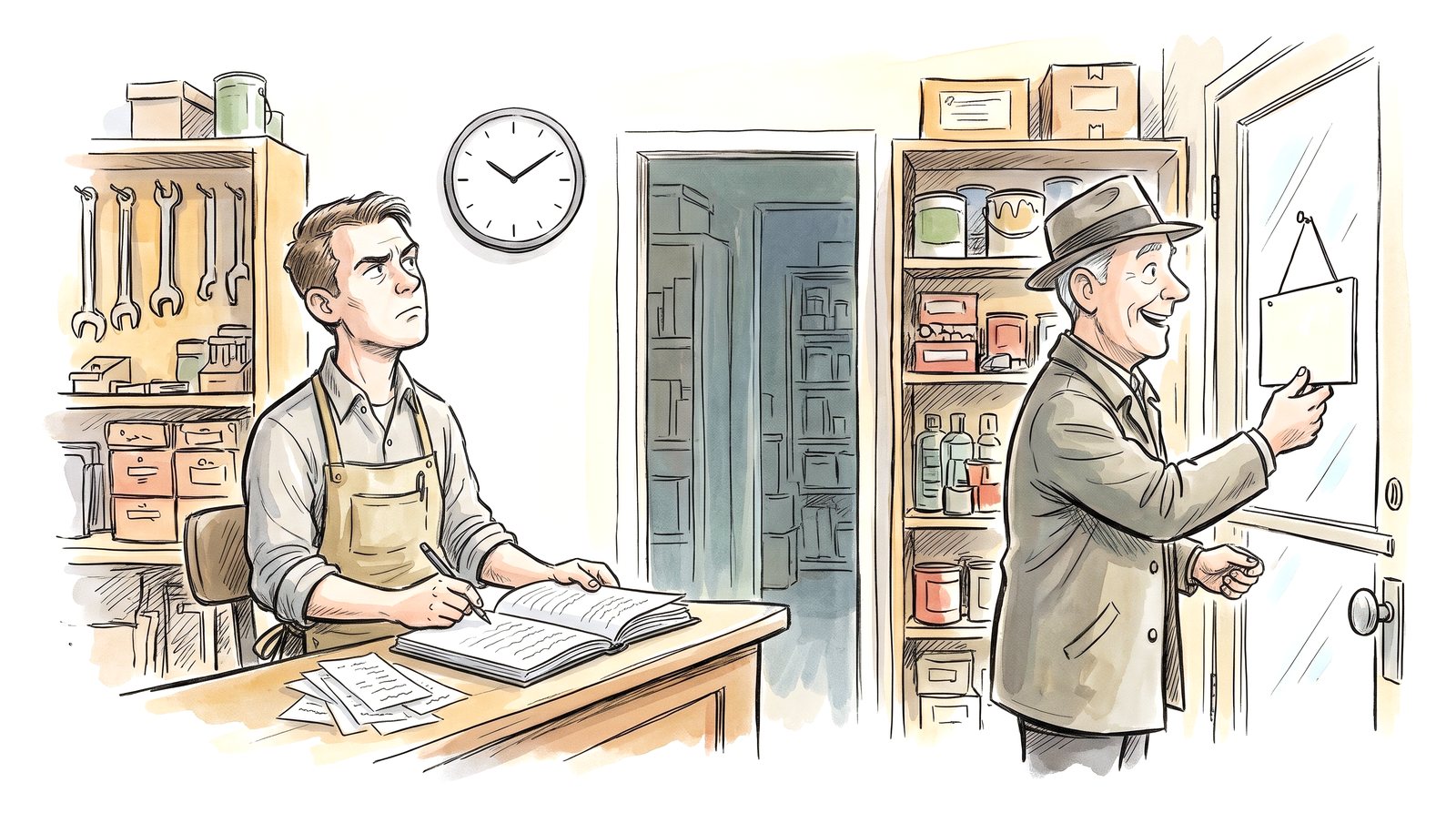
Imagine the older brother reconciling the day’s receipts when his father announces they’re closing early. He’s checking the figures, trying to account for a discrepancy, when his father interrupts.
“Tomorrow?” the older brother asked.
“Your brother’s coming home. Thought we’d all go out.”
“We’re closing early?”
“That’s what I said.”
The older brother looked down at the receipts. He still hadn’t found the discrepancy.
“You wouldn’t close early for my daughter’s birthday.”
His father frowned.
“Don’t start.”
“I’m not starting anything.”
“Then what’s the problem?”
The older brother picked up his pen.
“Nothing.”
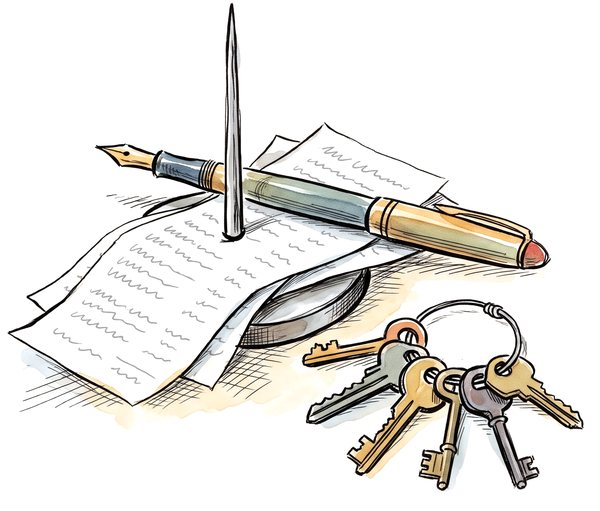
The older brother is working. His father is telling him to stop. And the reason they’re stopping is the brother who left years ago. He doesn’t need to announce that he feels unappreciated. We can see the contradiction. His father has spent years insisting that the business comes first. The older brother has arranged his life around that expectation. Now, with his younger son coming home, the old man suddenly has a more flexible understanding of business hours.
Funny how that works. And when the older brother picks up his pen instead of continuing the argument, we learn something else about him. He’s practiced at swallowing his resentment and doing what needs to be done. Maybe he’ll confront his father eventually. Maybe he’ll save the argument for another day. Maybe he’ll keep working until someone turns out the lights. Whatever he does, the setting gives him choices that reveal his character.
That’s a much better use of setting than telling us the walls are beige.
What the setting reveals
We haven’t described much about the family business. You don’t know what they sell, what the building looks like, or whether there’s a bell above the front door. And yet the place already matters to the story.
For the older brother, the business represents years of obligations. Weekends he couldn’t have back. Family events he missed. Decisions he made because somebody needed to stay. For the younger brother, it might represent a childhood he was eager to escape. Or a place he remembers fondly because he never had to experience it as an adult responsibility. Their father may see it as his life’s work, something he built and expects his children to appreciate. All three could walk through the same front door and experience completely different places.
Think about a family home. One sibling remembers Christmas mornings and birthday parties. Another remembers arguments and unpaid bills. They’re remembering the same house, but their experiences have given it different meanings.
You can use that difference in fiction without explaining it to readers. The older brother in The Good Son might notice unfinished work when he enters the business. His younger brother might notice something that hasn’t changed since they were children. Neither observation needs an accompanying paragraph explaining what it symbolizes. Readers can make connections. And if you’ve chosen the details carefully, those connections will tell them something about the characters.
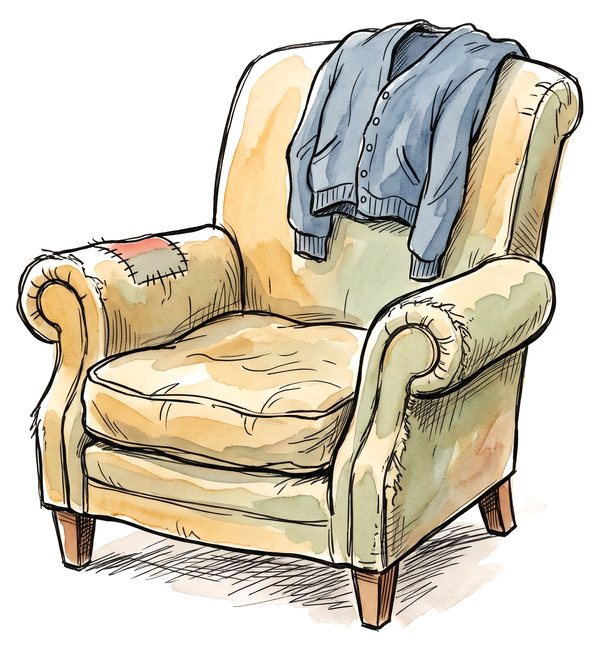
The important thing is to avoid turning the setting into an elaborate collection of meaningful objects. Not every worn chair represents a failed marriage. Sometimes somebody just needs a new chair. A business can have ordinary clutter, inconvenient equipment, and things nobody has bothered to fix. Those details help make it believable. But the details that deserve the most attention are the ones that affect how the characters experience the place.
In The Good Son, we don’t need a complete inventory of the business. We need enough to understand why the older brother feels trapped by responsibilities his younger brother escaped.
The argument changes when you move it
Now imagine the father and older brother having the same conversation at home. The father mentions that his younger son is returning. He’s excited. He wants everyone to celebrate. The older brother isn’t interested. They argue.
That scene could work. Family living rooms have hosted plenty of excellent arguments, both fictional and otherwise. But we’d lose something important. At home, the father’s favoritism is mostly a subject of conversation. At the business, he’s demonstrating it. And he’s doing it while the older brother is still working. That gives the scene an immediate problem.
Does the older brother stop what he’s doing? Does he object? Does he ask who’s supposed to finish the work? Does he finally bring up the birthday? Each choice reveals something about him. The setting creates possibilities that wouldn’t exist in quite the same way somewhere else.
You can apply this principle to almost any scene.
Imagine two people having a difficult conversation in a crowded restaurant. They can’t raise their voices without attracting attention. The server keeps interrupting. One wants to leave, but the other insists they finish talking. Move the conversation to an empty house and those constraints disappear. Now the characters can say whatever they want. They can shout. They can walk away. They can retreat into separate rooms. The conflict might be identical, but their behavior won’t be.
Or consider a character trying to confess something important at an airport. There’s a deadline. Eventually, somebody’s flight is going to board. Put the same confession on a park bench and the characters might have all afternoon.
Neither setting is automatically better. But each creates different opportunities. The airport gives the scene urgency. The park bench might allow the characters to avoid the truth for another hour. Your job is to decide which circumstances make the scene more interesting.
And you don’t necessarily need to invent dramatic obstacles. You don’t need a thunderstorm to arrive at the exact moment somebody reveals an affair. You don’t need the power to go out every time two characters have a disagreement. Sometimes the ordinary rules of a place provide all the pressure you need. A restaurant closes. A train arrives. A customer walks in. A father decides that the business he’s always insisted must come first can suddenly close early. That last one might be the most painful of the bunch.
Give the room a job
Here’s a useful revision test. Find a scene in your draft that feels a little flat. Maybe the dialogue is competent, the conflict makes sense, and the characters have understandable motivations. But something isn’t working. Before rewriting the conversation for the seventh time, look at where you’ve put it.
Ask yourself:
If I moved this scene somewhere else, what would I lose? Would the characters behave differently? Would they have different options? Would the location reveal something about their relationship, their history, or the problem they’re trying to solve? If moving the scene changes absolutely nothing, you might have found an opportunity.
That doesn’t mean every setting needs to carry decades of emotional baggage. Sometimes a quiet room is exactly what a scene needs. Sometimes the absence of interruption allows two characters to finally say something they’ve been avoiding. But when a scene feels flat, it’s worth examining the location before you start rewriting the dialogue.
Maybe your characters don’t need better things to say. Maybe they need a place that gives them a reason to say them.
And the solution probably isn’t another paragraph describing the curtains.
Give the room a job.